 English,
 Spanish,
 Polish,


Free Consultation
630-932-9100

-

- Home
- Our Firm
- Practice Areas
- Divorce
- Alimony and Maintenance
- Child Support
- College Expenses
- Special Needs Children and Divorce
- Parental Responsibility / Custody
- Sole Custody vs. Joint Custody
- Parenting Plans and Visitation
- Child Relocation
- Property and Asset Division
- Retirement, 401k Accounts and Pensions
- Debt Division
- Post Decree Modifications
- Post Decree Enforcement and Contempt Hearings
- Dissolution of Arranged Marriages
- Tax Consequences and Divorce
- Uncontested Divorce
- Divorce Involving Mental Health Issues or Addictions
- Divorce and the Stay-at-Home Parent
- Divorce FAQs
- Family Law
- Personal Injury
- Motor Vehicle Accidents
- Auto Accidents
- Truck Accidents
- Amazon Delivery Driver Accidents
- Motorcycle Accidents
- Rideshare Accidents
- Pedestrian Accidents
- E-Bike/E-Scooter Accidents
- Boat Accidents
- Aviation Accidents
- Premises Liability
- Medical Malpractice
- Nursing Home Abuse
- Wrongful Death
- Construction Site Accidents
- Other Serious Injuries
- Personal Injury FAQs
- Workers' Compensation
- Construction Accidents and Injuries
- Warehouse and Factory Worker Injuries
- Healthcare Worker Injuries
- Office Worker Injuries
- Shipping and Trucker Worker Injuries
- Types of Workers' Compensation Injuries
- Back and Neck injuries
- Repetitive Stress Injuries
- Arm and Shoulder Injuries
- Knee Injuries
- Occupational Diseases
- Specific Accident Cases
- Who We Represent
- Workers' Comp Death Benefits
- Filing a Workers' Comp Claim
- How to Qualify for Benefits Under Workers' Comp
- Vocational Rehabilitation Rights
- Workers' Compensation FAQs
- Criminal Defense
- Immigration
- Bankruptcy
- Estate Planning
- Real Estate
- Divorce
- Success Stories
- Testimonials
- Media
- Blog
- Contact Us
Recognizing Signs of Nursing Home Abuse and Neglect
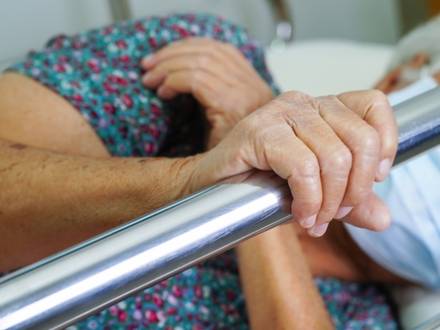 After a loved one moves into a nursing home, families should stay alert to signs of abuse or neglect. Many residents are unable or afraid to report abuse or neglect. If you suspect nursing home abuse or neglect in 2026, a DuPage County, IL nursing home abuse attorney can review what happened and explain your family's legal options.
What Are the Physical Signs of Nursing Home Abuse or Neglect?
Physical signs families should watch for include:
-
Unexplained injuries: Bruises, cuts, fractures, or bedsores that cannot be explained, or that keep happening, can mean abuse.
-
Rapid weight loss: Sudden and significant weight loss can be a sign of malnutrition or dehydration. This often points to neglect.
-
Poor hygiene: Foul odors, soiled clothing or bedding, and poor personal hygiene may indicate neglect.
-
Medication mismanagement: Missed medications or incorrect dosages can seriously harm residents and may indicate neglect.
Any one of these signs on its own could have an innocent explanation, but a pattern is a strong reason to ask more questions.
What Emotional and Behavioral Changes Point to Nursing Home Abuse?
Changes in a loved one's mood or behavior can be subtle, but are important to watch for. The following behaviors could mean a loved one is being abused or neglected:
-
Depression or anxiety: Unexplained mood changes, withdrawal, or increased anxiety may signal emotional abuse or neglect.
-
Agitation or aggression: Sudden anger or agitation could be a reaction to abuse or poor care.
-
Social isolation: A loved one who becomes withdrawn or avoids family and friends may be responding to abuse or neglect.
-
Fear or apathy: A resident who seems fearful or emotionally withdrawn around certain staff members may be experiencing mistreatment.
Emotional and behavioral changes often show up before any physical signs of abuse and neglect. Families should never dismiss these signs as simply a symptom of aging and should investigate further.
What Health Problems Can Signal Nursing Home Neglect?
A noticeable decline in a resident's physical health should raise concerns. Some of the more common signs are:
-
Frequent illnesses: Repeated infections may indicate unsanitary conditions or inadequate care.
-
Worsening chronic conditions: A resident's health can decline when these conditions are poorly managed.
-
Untreated medical issues: Delays in treating medical concerns can lead to worse health and needless suffering.
If a resident's health declines faster than their diagnosis explains, ask the facility directly what changed in their care plan.
Nursing Home Understaffing and Neglect Statistics
Understaffing is often a contributing factor in nursing home neglect. A systematic review published by the National Center on Elder Abuse found that staff members in institutional care settings self-reported neglect affecting 11.6 percent of residents. Short staffing can make these problems worse, as residents may wait longer for meals, medication, bathroom assistance, and basic care.
When a facility does not have enough hands on deck, call lights go unanswered, residents wait longer to get to the bathroom, and turning schedules for bedridden residents get forgotten, all of which raise the risk of falls, infections, and pressure sores.
Families also cannot always rely on residents to report these problems themselves. The Long Term Care Community Coalition cites a study of 100 nursing homes across 30 states that found residents frequently described fear of retaliation when raising care concerns. This is one reason regular visits and close attention to the warning signs matter.
What Are Illinois's Minimum Staffing Requirements for Nursing Homes?
Under Federal regulation 42 CFR 483.35(g), nursing homes must post their daily staffing numbers in a place visible to residents and visitors. Families can check this posting during a visit to see how many nurses and aides are working that day.
Section 3-202.05 of the Illinois Nursing Home Care Act sets minimum staffing ratios for Illinois nursing homes. Skilled care requires at least 3.8 hours of staff time per resident per day. Intermediate care requires at least 2.5 hours per resident per day.
The Illinois Department of Public Health enforces these ratios through licensing and inspections. Families can check public inspection records or contact the Illinois Department of Public Health about a facility.
If the facility will not release the internal staffing schedules voluntarily, an attorney can subpoena them. These records can become key evidence in a neglect claim, since chronic understaffing helps explain why a resident's care fell short of what the law requires.
What Are Unexplained Financial Transactions in a Nursing Home Setting?
Financial exploitation is also a form of abuse that targets elderly and vulnerable residents. Signs of possible financial abuse include:
-
Unauthorized withdrawals: Unexplained withdrawals from a resident's bank account, or sudden changes to their financial documents.
-
Missing personal belongings: Valuable items or personal belongings disappearing without explanation.
-
Coercion or manipulation: A resident who says staff members are pressuring them to make financial decisions.
Financial abuse can be harder to spot than physical neglect. Reviewing a loved one's bank and credit card statements regularly is one of the simplest ways to catch it.
Contact a DuPage County, IL Nursing Home Abuse Attorney for a Free Consultation
If you suspect your elderly loved one is being abused or neglected, Lombard, IL nursing home neglect lawyers at Mevorah & Giglio Law Offices can help you report the abuse to the appropriate authorities and pursue legal action against those responsible. Mevorah & Giglio Law Offices has three offices in Lombard, Bloomingdale, and Naperville for your convenience, with Saturday and evening appointments available. Call 630-932-9100 today to schedule a free case evaluation.









Offices in 3 Convenient DuPage County Locations
Lombard
900 E. Roosevelt Road
Lombard, IL 60148
Phone: 630-932-9100
Fax: 630-932-9868
MAP & DIRECTIONS
Bloomingdale
134 N. Bloomingdale Road
Bloomingdale, IL 60108
Phone: 630-529-2400
Fax: 630-529-7630
MAP & DIRECTIONS
Naperville
Phone: 630-420-1000
By Appointment Only

 Make a Payment


